
AI use cases in hospitality: where to start, what to avoid
Where AI software and robotics already earn their place in hotels, how AI search changes the way guests book, and a 90-day roadmap to start.


- 20 use cases
- 3 departments
- 90 day roadmap
Get your free copy
Free PDF, sent to your inbox.
Your copy is on its way
We have sent it to your inbox. You can also download it right here.
What counts as an AI use case in hospitality?
An AI use case in hospitality is one specific job in a hotel that AI takes on or speeds up, with a clear owner and a number to measure: answering routine guest questions, drafting replies, timing an upsell, summarising reviews. Starting with one narrow use case, rather than "AI" in general, is what separates projects that pay back from pilots that stall. For how chatlyn applies this to guest communication, see hotel AI.
What is inside the guide
- 01
Where hotels stand in 2026
From pilots to habit, the staffing gap and how AI search is changing the way guests find hotels.
- 02
The guest journey, mapped
Every stage of the stay, the department that owns it and the AI that helps.
- 03
Guest experience and front office
Seven use cases, from guest messaging and translation to review replies, voice agents and lobby robots.
- 04
Revenue, sales and marketing
Seven use cases, from dynamic pricing and forecasting to CRM campaigns, AI search visibility and group enquiries.
- 05
Operations and back of house
Six use cases guests never see: housekeeping, food waste, staff scheduling, invoices, energy and maintenance, and service robots.
- 06
Five mistakes and a 90-day roadmap
What makes hotel AI projects stall, and the order of work that proves two use cases in three months.
A page from the guide: use case 01
Each use case is described the same way, so you can compare them before you choose: what it does, the effort, the impact, the cost and how to start.
Download free- What it does
- An AI assistant answers guests on WhatsApp and your website chat at any hour, from your own information, and passes anything personal, sensitive or unclear to staff.
- Effort
- Low, provided your house information is current.
- Impact
- High, on response times and on desk workload.
- Cost
- A monthly software subscription, plus Meta’s per-message fees for the WhatsApp templates you send first.
- Why first
- The same questions come back on every shift, the answers rarely change and guests expect them immediately, also at night.
Who the guide is for
General managers
Choose where AI goes first, set the rules for people and machines, and judge vendors on substance.
Front office
See which questions AI can take off the desk, and how handovers to your team should work.
Revenue managers
Find the use cases that turn guest data into upsells and direct bookings, and how to measure them.
Hotel Enzian started with routine questions and pre-arrival messages. The AI handled about 85% of routine enquiries, and WhatsApp campaigns lifted restaurant reservations by 38%.
Read the case study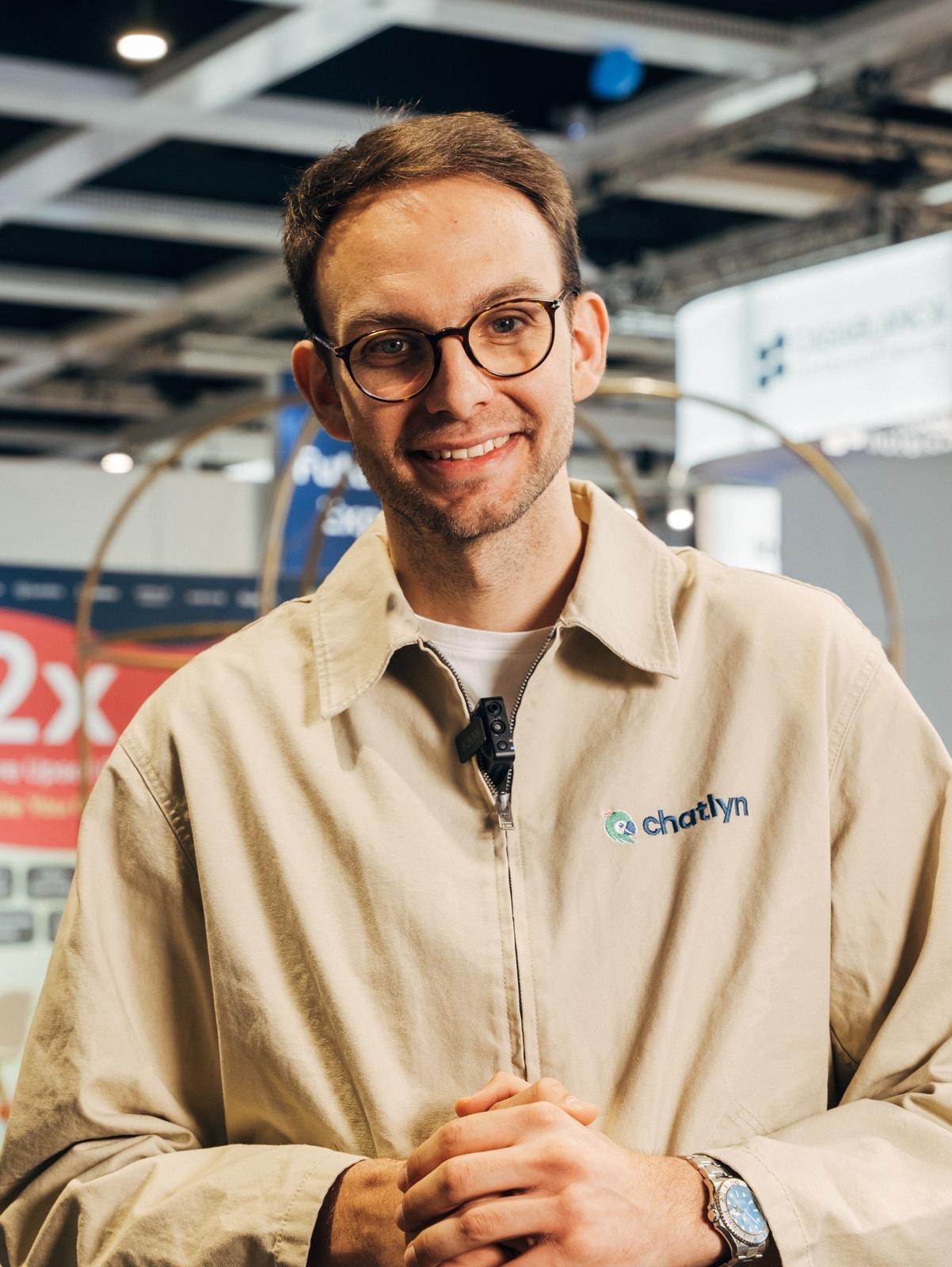
Nic leads chatlyn and sees hotel AI projects from the first demo to daily use. This guide collects what separates the projects that pay back from the ones that stall.
Common questions
Yes. Leave your details and download the PDF straight away; we also send it by email.
For most hotels: answering routine guest questions on WhatsApp and webchat, because the information already exists, the volume is high and the result is easy to measure. The guide shows how to start in three steps.
No. It compares use cases from many providers, with sources for every figure. chatlyn appears in the chapter on guest messaging.
No. The first use cases rely on information you already have: your PMS, your hotel information and your guest messages. The 90-day roadmap shows what to tidy first.
More free ebooks for hotel teams



See it working in your hotel.
The ebooks show the method. A 30-minute call shows how chatlyn puts it to work across your guest channels, with your team in charge.